Key Takeaways
- The Federal Reserve and OCC contacted U.S. banks Nov. 2 following the $6.3 billion Binance hack.
- Reuters says banks are reviewing cybersecurity defenses following the Oct. 29 attack.
- The FBI attributed the Binance theft to North Korea-linked Tradertraitor hackers.
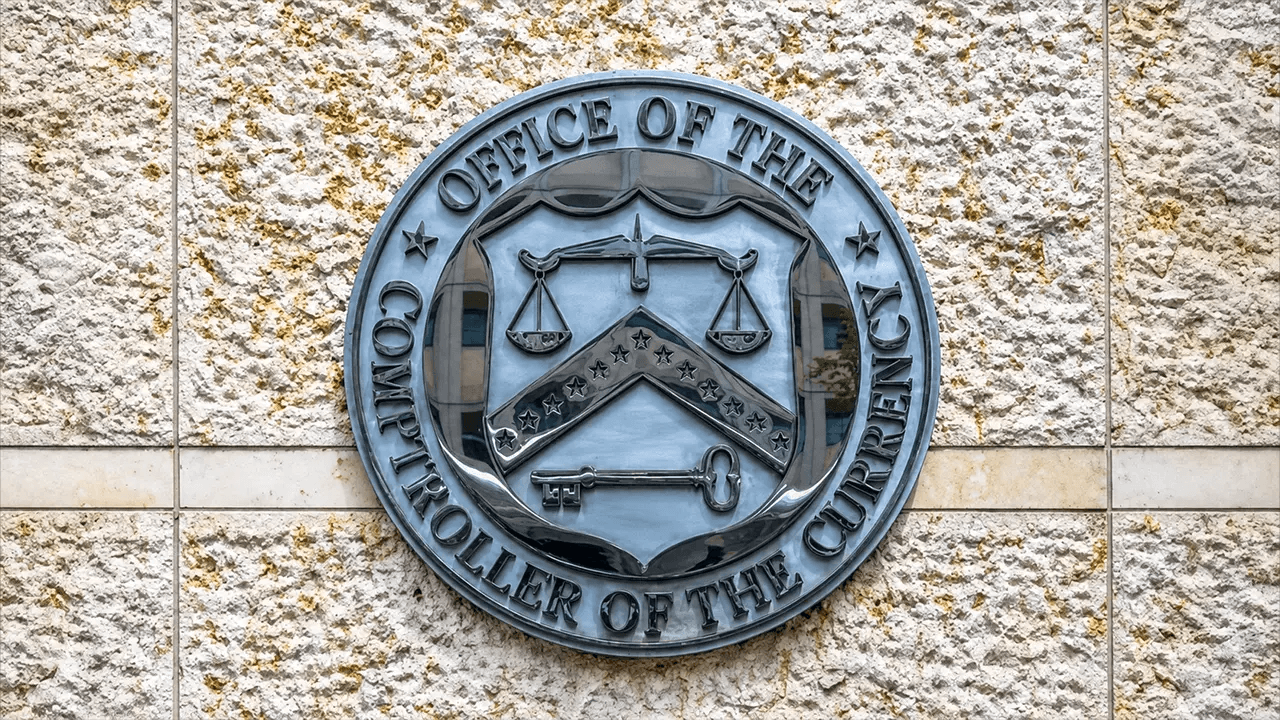
The Federal Reserve and Office of the Comptroller of the Currency (OCC) began contacting U.S. banks on Monday, Nov. 2, following the $6.3 billion Binance hack on Oct. 29. Reuters journalists Stephen Gandel and Nupur Anand reported on the regulatory outreach on Nov. 5, citing “several sources familiar with the matter.”
Federal Reserve and OCC Contact U.S. Banks After Binance Hack
The regulatory inquiries followed one of the cryptocurrency industry’s largest recorded thefts, raising concerns about whether vulnerabilities exploited at Binance, the world’s largest cryptocurrency exchange by trading volume, could threaten traditional banking infrastructure. According to Reuters, federal supervisors contacted financial institutions to determine whether they had encountered suspicious transactions, service disruptions, or cybersecurity weaknesses following the attack.
One banking source reported no operational interruptions, although employees prepared customer talking points in anticipation of possible inquiries. Few customers reportedly sought additional information. Meanwhile, several major banks initiated internal diagnostics to assess whether their cybersecurity defenses could withstand similar attacks.
Within hours of the Binance hack, cybersecurity personnel at one of America’s largest banks contacted the exchange directly. The institution subsequently began preparing an internal assessment expected to inform additional security reviews and potential software improvements. The Federal Reserve and OCC declined Reuters’ requests for comment. The Reuters report comes on the heels of several major banks prohibiting artificial intelligence (AI)-powered agents from accessing their online platforms.
North Korean Tradertraitor Hackers Linked to Binance Theft
The Oct. 29 attack resulted in approximately $6.3 billion in stolen cryptocurrency. Investigators described a sophisticated operation involving malicious software, fraudulent employment interviews, and compromised employee computers.
Attackers reportedly infiltrated Binance’s internal systems before gaining access to infrastructure responsible for authorizing cryptocurrency withdrawals. Moreover, the Federal Bureau of Investigation (FBI) attributed the Binance hack to Tradertraitor, a North Korean state-linked hacking operation associated with previous cryptocurrency thefts and the infamous Lazarus Group.
The exchange subsequently pledged to reimburse affected customers while cooperating with law enforcement and stablecoin issuers to identify and freeze stolen assets. The incident also exposed the potential dangers of compromised artificial intelligence (AI) tools, which attackers allegedly exploited to expand their access to internal systems.
Crédit Mutuel Arkéa Cyberattack Adds to Bank Security Concerns
The regulatory scrutiny comes amid another major cybersecurity incident involving traditional finance (TradFi). On Nov. 4, French banking group Crédit Mutuel Arkéa confirmed a cyberattack involving fraudulent transactions, while blockchain investigator ZachXBT traced more than $133 million in suspected stolen funds through cryptocurrency platforms.
Investigators believe unauthorized banking transfers preceded the movement of proceeds into stablecoin networks, demonstrating how compromised banking infrastructure can become an entry point for cryptocurrency-related financial crime. Crédit Mutuel Arkéa maintained that customer assets remained protected, the incident had been contained, and its financial stability was not threatened.
There’s no established connection between the French bank incident and the Binance hack. Nevertheless, the separate attacks illustrate how criminals can exploit TradFi vulnerabilities and the increasingly interconnected financial system.
Binance Hack Prompts Banks to Examine AI Security Risks
Binance told Reuters it was unaware of specific discussions between U.S. regulators and banking institutions, although the exchange maintained that it continued communicating with authorities internationally. “We are in close contact with regulators all over the world, keeping them up to date on this security breach,” a Binance spokesperson explained to Reuters.
One source familiar with the regulatory inquiries identified rapidly advancing AI capabilities as a growing challenge for financial institutions, particularly as attackers develop increasingly sophisticated methods of infiltrating corporate systems. Banks have consequently devoted substantial resources to software reviews, cybersecurity diagnostics, and vulnerability remediation.
The regulatory outreach also follows Washington’s decision to ease certain restrictions on banking institutions participating in cryptocurrency activities, creating additional connections between conventional finance and digital asset markets. Reuters’ reporting did not establish that the Binance attack compromised U.S. banking systems, and the inquiries appear precautionary rather than evidence of any broader intrusions.
The Binance hack has pushed American banking supervisors to examine whether traditional lenders can withstand the same attack methods that enabled criminals to steal billions from a cryptocurrency exchange.